



Cupping therapy is an ancient healing practice that has recently surged in popularity, even making headlines during the 2016 Olympics when swimmer Michael Phelps sported telltale round bruise-like marks on his back. This therapy involves placing cups on the skin to create suction, which is believed to promote healing. There are two main forms, dry vs. wet cupping, and understanding their differences is key to choosing the right approach.

What Is Cupping Therapy?
This therapy originated thousands of years ago in traditional Chinese and Middle Eastern medicine. A therapist places one or more cups on the body and creates a vacuum inside the cup. The suction pulls the skin upward and increases blood flow to that area. Cupping is an ancient healing technique that uses this suction-induced blood flow to help ease issues like back pain, neck pain, and headaches. The increased circulation is thought to accelerate the body’s natural healing processes. Cupping often leaves round, bruise-like marks where the cups were placed. This is a normal side effect indicating that blood has risen to the skin’s surface. These marks usually fade within a week or two and are generally not painful.
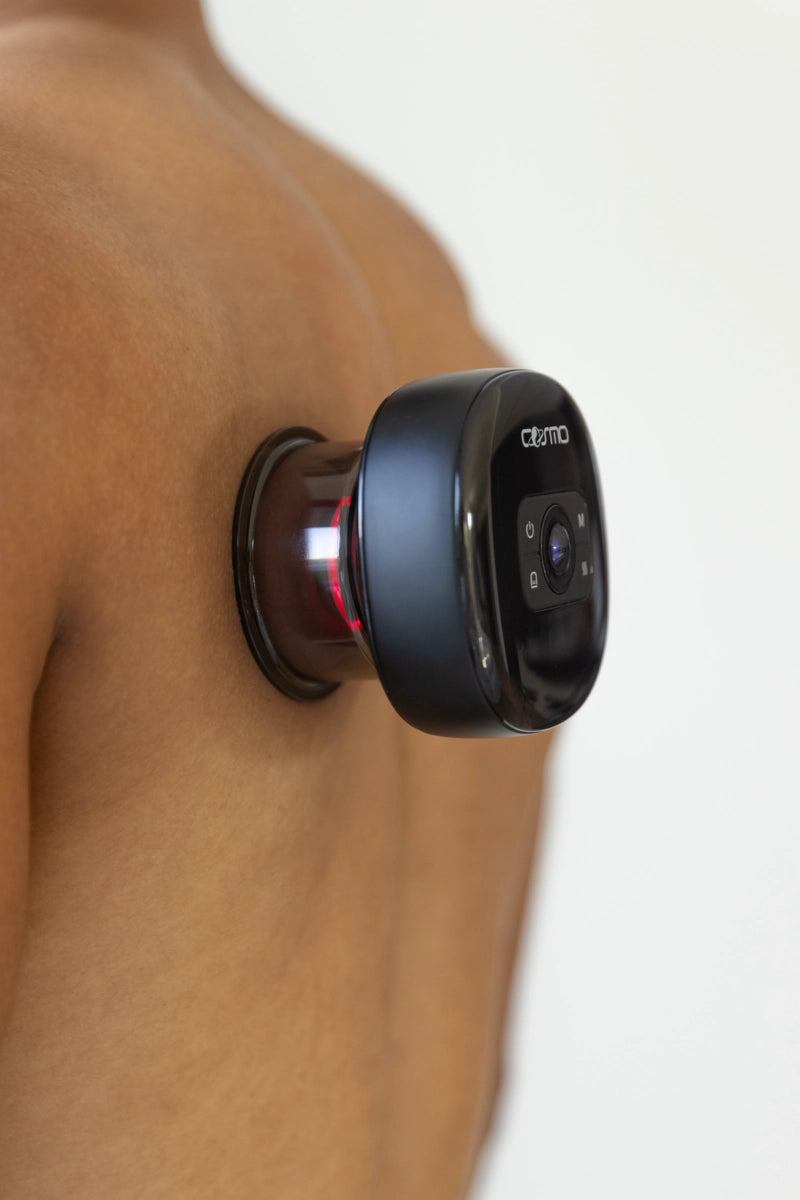
Over the centuries, cupping has been used to treat a wide range of ailments. Traditional practitioners have applied it for respiratory issues, digestive problems, and pain relief. Cupping therapy has gained a following among athletes and wellness enthusiasts for its potential to alleviate muscle soreness and promote relaxation. The therapy can be applied to various parts of the body depending on the condition being treated. Dry cupping on the back is especially popular for relieving tightness in the large back muscles. Whether used as part of a spa treatment or a therapeutic session, cupping is often described as feeling like a deep tissue massage in reverse. Instead of pushing pressure into muscles, it uses negative pressure to lift and decompress them.
Dry Cupping Therapy (Technique and Uses)
In dry cupping therapy, cups are applied to intact skin without drawing blood. The practitioner typically uses glass, plastic, or silicone cups and creates suction either by heating the air inside the cup or by using a mechanical pump. As the air is removed, the skin and superficial muscle tissue are gently pulled into the cup. A common practice is to perform dry cupping on large muscle groups; for instance, dry cupping on the back can help loosen stiff muscles and knots. The suction is usually left in place for 5–15 minutes. Some therapists also employ moving cupping, sliding the cups over oiled skin to give a massage-like effect that covers a broader area. The benefits of dry cupping are chiefly related to muscle relief and relaxation. As blood flow increases under the cups, it can help reduce muscle tension and promote tissue healing. It is primarily used for musculoskeletal issues, as it targets physical conditions like muscle pain or tight fascia, and it’s even incorporated into massage therapy for added benefit. This means dry cupping is a good option for those seeking a non-invasive treatment for general muscle tension relief.
Wet Cupping Therapy (Technique and Uses)
Wet cupping therapy (often called Hijama) is a slightly more intensive technique that adds an extra step: after using suction, the practitioner makes small, superficial incisions in the skin to draw out a small quantity of blood. A typical wet cupping session begins just like a dry cupping session. The cups are placed and suction is created for a few minutes to bring blood to the surface. Next, the therapist briefly removes the cups and uses a sterile lancet or needle to make tiny cuts in the area. Then the cups are reapplied to suction out a small amount of blood.
Cupping Techniques and Tools
The materials, suction techniques, and complementary practices used today have made it more accessible and precise than ever before. Below are the key dry cupping tools:
-
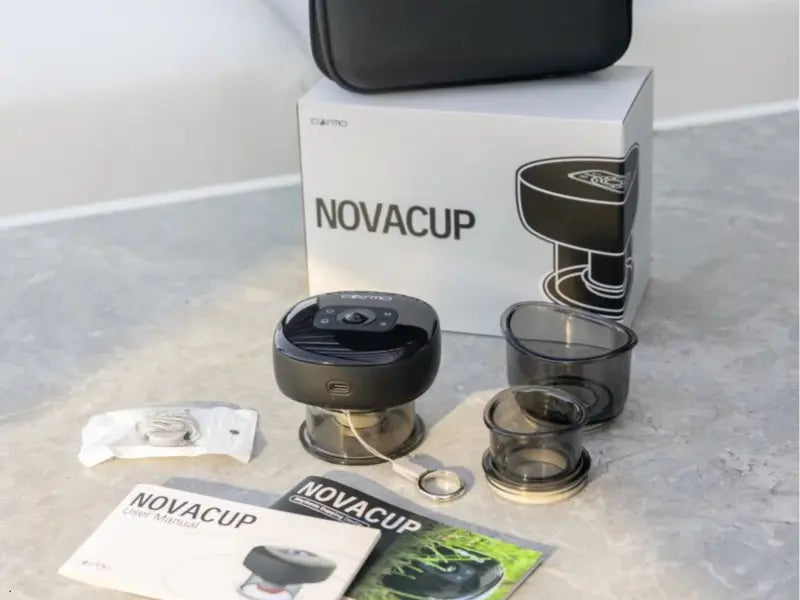
Modern Glass and Plastic Cupping Sets: Modern cupping often features glass and plastic cups, designed for precision and control. Glass cups are commonly used in fire cupping, where a brief flame removes oxygen inside the cup to create suction upon contact with the skin. Plastic alternatives often include manual pumps that allow users to regulate pressure without heat, making them safer for beginners. Both options provide consistent suction and can be applied to various muscle groups, promoting pain relief in targeted regions.
-
Silicone Cups: Silicone cups have become a favorite for those who prefer a gentler, more adaptable cupping experience. Their soft, pliable texture allows practitioners to glide the cups smoothly over curved or sensitive areas, combining massage-like strokes with suction. Silicone’s flexibility also makes it suitable for at-home use, enabling users to control intensity while reducing the risk of bruising or skin irritation.
-
Facial Cupping: This technique encourages microcirculation and lymphatic drainage, which can reduce puffiness, improve tone, and give the skin a radiant appearance. Unlike body cupping, it involves light, quick movements and minimal suction to prevent bruising. Many skincare enthusiasts incorporate a facial cupping set into their self-care routines for its ability to temporarily lift and revitalize the complexion while supporting natural collagen production.
-
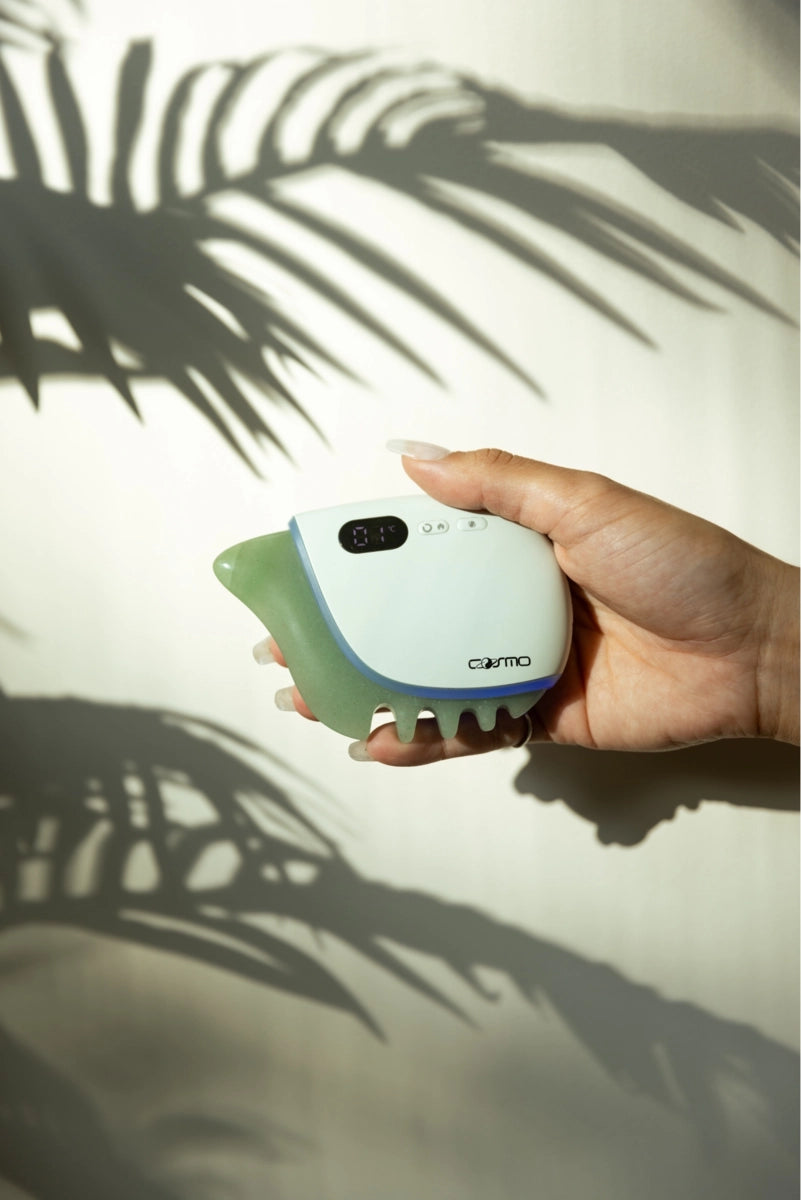
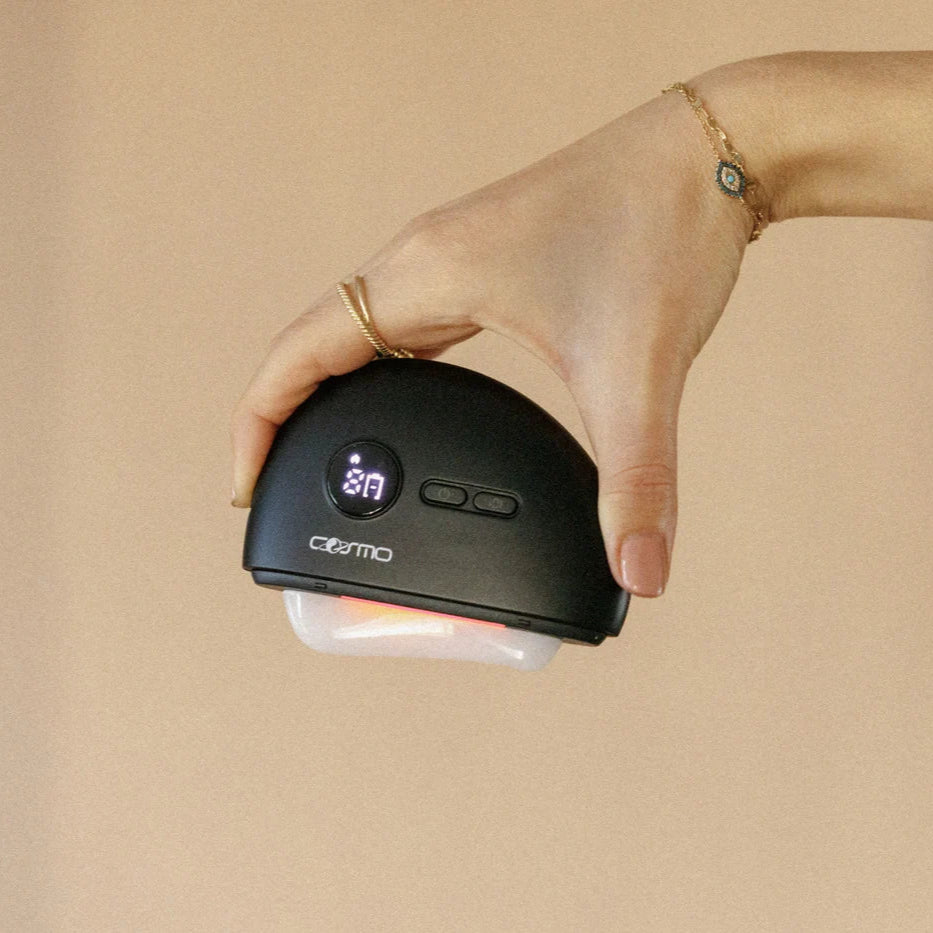
Gua Sha: Gua sha and cupping amplify circulation and relieve stagnation. It involves scraping the skin with a smooth-edged tool to promote blood flow and relax tense fascia. When used before cupping, gua sha helps warm the tissues, enhancing the effects of suction by loosening adhesions. Both treatments aim to restore energy balance and relieve muscular tightness, leaving behind characteristic marks that signal improved circulation. Together, they represent a harmonious blend of ancient wisdom and modern bodywork.
Cupping and its complementary tools demonstrate how traditional healing can evolve through innovation while preserving its therapeutic essence. These methods continue to bridge ancient healing with modern self-care, keeping the art of cupping alive and adaptive for today’s holistic health seekers.

How Cupping Relieves Pain
One of the most common reasons people try cupping is for pain relief. But how cupping relieves pain is an interesting question, and the answer depends on who you ask. From a Western medical perspective, the suction created by the cups causes tiny blood vessels beneath the skin to rupture, triggering an inflammatory response. The body then sends more blood and healing factors to the area, which may alleviate pain and promote recovery in muscles and connective tissues. The negative pressure also lifts and separates muscle fibers and fascia (connective tissue), which can release tight knots and improve range of motion. Some describe cupping’s effect as “myofascial decompression,” analogous to a reverse deep-tissue massage.
From the viewpoint of Eastern medicine and traditional theory, pain is often attributed to stagnation of blood or energy in the body. Cupping is thought to draw out the stagnated blood and energy, thereby restoring flow and reducing pain. This aligns with the experience many people report: after cupping, the tight or knotted areas feel looser and less tender. The increased blood flow brings oxygen and nutrients that aid in tissue repair, contributing to muscle tension relief and reduced inflammation. Some athletes use cupping therapy post-training to speed up recovery of sore muscles, while others with chronic neck or back pain find that regular sessions keep their discomfort at bay.
Cupping for Detoxification
Another widely touted benefit of cupping is detoxification. The idea of a cupping detox comes from traditional medicine beliefs that suction can draw out “toxins” or impurities from the bloodstream and tissues. When wet cupping is performed, the blood that collects in the cups is often dark, clotted, or sticky in appearance, which practitioners interpret as stagnant blood or unwanted substances being removed from the body. Wet cupping has historically been used in cultures like Traditional Chinese Medicine and Unani medicine, specifically to remove toxins and “bad blood”. Some modern practitioners even advertise cupping therapy for detox, claiming it can help cleanse the liver, improve metabolism, or strengthen the immune system by purging impurities from the blood.
It’s important to distinguish between the traditional concept of “toxins” in folk medicine and the scientific understanding of detoxification. The body’s primary detox organs are the liver and kidneys, which continuously filter and eliminate waste. In holistic health circles, you might encounter offerings like a detox cupping massage, which pairs massage techniques with cupping to flush out lymphatic fluid and waste products. Some practitioners go as far as targeting specific organs; for example, they may perform cupping for liver detox by placing cups on areas of the back corresponding to the liver. The procedure can certainly make one feel invigorated, and it might indirectly support the body’s natural detox processes by improving blood and lymph flow.
Side Effects, Safety, and Aftercare
Like any therapeutic technique, cupping has some side effects and safety considerations to keep in mind. The most obvious side effect of both dry and wet cupping is the appearance of circular marks or bruises on the skin. These can range from light pink to deep red or purple, depending on how long the cups were worn and individual factors such as skin sensitivity. The marks are usually painless and fade within a week or two. Minor soreness or tenderness in the cupped areas can also occur for a day or so after treatment, similar to the feeling after a deep massage.
When considering potential wet cupping side effects, the primary concern is infection. Since wet cupping involves small incisions, there is a risk of introducing bacteria if the procedure is not done in sterile conditions. A qualified practitioner will always use clean, sterilized equipment and may apply an antibiotic ointment and bandage to the area afterward as part of the wet cupping healing process. With proper care, serious infections are very rare. In general, cupping is regarded as safe when performed by trained professionals.
Other safety considerations include knowing when cupping should be avoided. Cupping should not be applied over open wounds, active skin infections, or ulcerated areas. People with bleeding disorders or those on blood-thinning medications should be cautious or avoid wet cupping due to the slight blood loss and risk of bruising. Pregnant women are often advised to avoid cupping on the abdomen or lower back. Additionally, individuals who are very frail or have certain medical conditions should consult with a healthcare provider before trying cupping. It’s always a good idea to start gently to see how your body responds. After a cupping session, simple aftercare steps help ensure proper healing. Drinking water to stay hydrated, resting if needed, and keeping any cupped areas clean. If you experience anything more than mild, temporary discomfort or if a cupping mark shows signs of infection, you should contact a medical professional.

Dry and wet cupping both offer a unique approach to promoting wellness and relief from various ailments. By understanding the differences between the two, individuals can choose the method that best aligns with their comfort level and health goals. If you are considering cupping therapy, it’s wise to consult a trained practitioner who can assess which type is appropriate for you. As with any therapy, individual results will vary: some will swear by the relief cupping gives them, while others may not notice dramatic changes. Cupping has stood the test of time as an alternative therapy, and its resurgence in modern wellness indicates that many find value in it. By approaching it with informed expectations and proper guidance, you can safely explore what this age-old practice can do for your health and well-being.
Sources:
-
icicilombard.com ICICI Lombard – Types of Cupping Therapy Explained (summary of dry vs. wet cupping differences)
-
my.clevelandclinic.org Cleveland Clinic – Cupping Therapy: Definition, Types & Benefits (overview of cupping and its effects)
-
newhopephysio.com New Hope Physio – Dry Cupping vs Wet Cupping: Key Differences & Treatments (claimed benefits of wet cupping therapy)
-
bannerhealth.com Banner Health – Cupping Therapy: Pros, Cons and How It Works (Eastern medicine perspective on stagnation and pain relief)
-
drscottdenny.com DrScottDenny.com – Difference Between Dry and Wet Cupping (wet cupping and detoxification claims)
-
health.harvard.edu Harvard Health – What Exactly is Cupping? (2022 review finding wet cupping effective for low back pain)